
Fashion Island Oral Surgery and Implants
Tips on post extraction bleeding
BLEEDING AFTER AN EXTRACTION

- Assess post extraction bleeding with a flashlight and visual inspection. Look for blood flow from socket. If no flow, a clot has likely formed and gauze may no longer be necessary.
- It is normal to always have some blood on gauze, even hours later. It should be less than 50% red/pink. A quarter sized spot.
- Gauze must apply pressure directly over socket.
- If sleeping with gauze in mouth you can tie a strand of floss around middle of gauze to ensure it isn’t swallowed.
- Black or green tea bag dipped in cool/lukewarm water and bit on will help a clot form.
- Avoid swishing vigorously or spitting
- Avoid drinking through straws
- Elevate your head while lying down
- Minimize talking and movement.
- Elevated heart rate and blood pressure will increase bleeding.
- If you think you are having problems clotting, don’t wait until 12am to call you doctor, call as soon as you have a concern.
- If your doctor cannot be reached and the bleeding is a concern, you may need to visit urgent care or the emergency department.
- If you take blood thinners or herbal supplements you may have prolonged bleeding and should discuss this with your doctor.
- These are general tips, discuss post operative care with your doctor.
A Chewing Accident
A CHEWING ACCIDENT
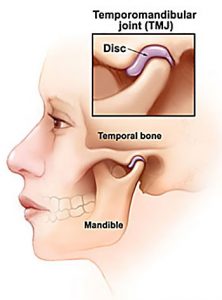
- Often I’ll see patients with an acute onset of temporomandibular joint pain. Frequently these episodes are related to stress, grinding, clenching, or even….a chewing accident.
- Sometimes just biting into something the wrong way can cause inflammation in the joint and result in pain when eating tougher foods.
The good news is these episodes are usually easy to resolve and tend to respond to soft diet, anti-inflammatories, ice if very recent or moist heat if >24hrs. - The inflammation decreases to baseline levels and the pain goes away.
- It is important to not incite more inflammation during the recovery process.
- TMJ issues can be challenging but the acute onset of pain often is easy to resolve by avoiding exacerbating factors and attenuating the inflammation with meds.
- As always, this post doesn’t substitute for an exam and consult.
When is best time to remove wisdom teeth?
When is best time to remove wisdom teeth?
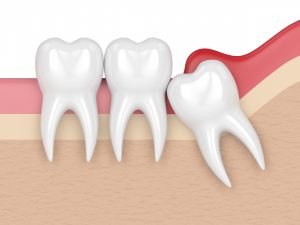
The optimal time for wisdom teeth removal is 14-17 years old. At this time the wisdom teeth are usually 1/3-1/2 developed, the surgery tends to be less complicated with lowest risk of adverse outcomes, and fastest recovery.
Removing wisdom teeth in older adult years takes longer to recover from, may be accompanied by increased risk of nerve injury and altered sensation to the lower lip/chin.
Additionally there may be poor bone fill in the extraction socket, resulting in a deep periodontal pocket behind the second molar.
Typical recovery in the teenage years is 3 days for the bulk of the pain and swelling.
At 1 week post op, most patients have recovered completely.
There may be holes in the mouth where the teeth were removed.
The gums typically heal in 2-3 weeks and the underlying bone heals in 2-3 months.